
Menu
Which tree species are the 10 most commonly found in New Jersey?
Tree Species Jersey City
There is a large variety of tree types thriving in the diverse climate and fertile soils of New Jersey, creating a perfect environment for them to thrive. If you are someone who loves nature, if you are a homeowner looking to improve your landscaping, or if you just like how trees look, learning about the most common tree types found in New Jersey can allow you to appreciate and care for them better. In this article, we will take a closer look at ten common native tree species you will find in New Jersey.
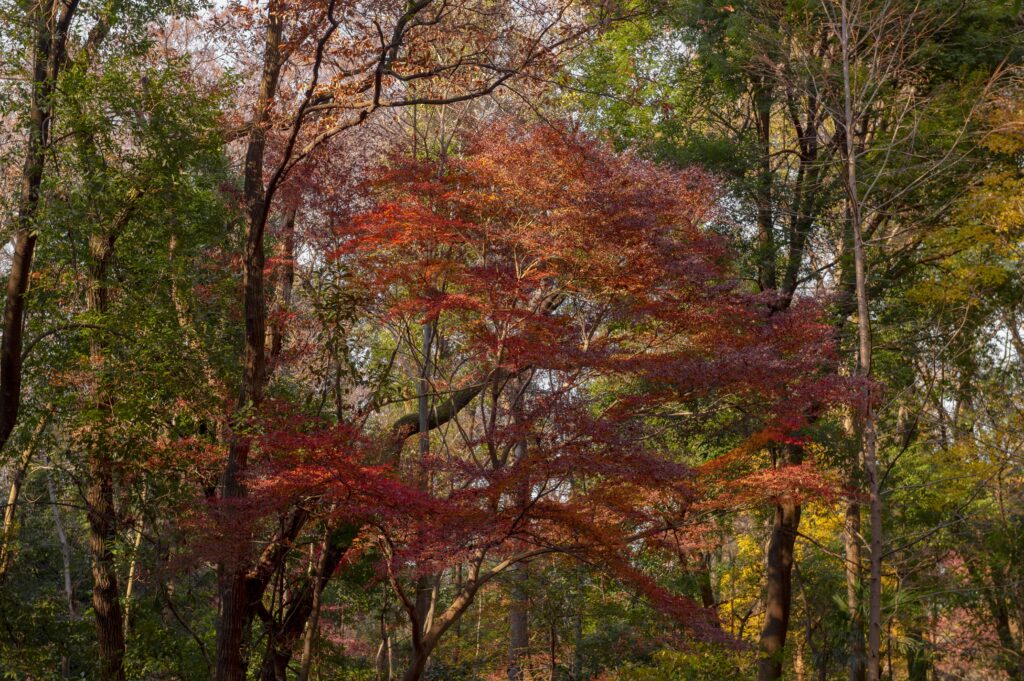
Common Tree Species Found In New Jersey
Pitch Pine (Pinus rigida)
Pitch pine is a durable and adaptable species native to New Jersey’s Pine Barrens. This species can grow up to 60 feet in height and can tolerate drought and sand-based soils better than some of the other species. Several characteristics allow the pitch pine to stand out from other species, including its ability to withstand fires. Once a fire occurs, the pine cones will release seeds, so new growth is promoted once again.
Red Maple (Acer rubrum)
Red maple is one of the most adaptable and widespread trees in New Jersey. This species can adapt to a wide variety of soil conditions and is a popular option for many landscaping companies and homeowners. One of the reasons why red maple is so widely used is its colorful fall foliage. The foliage of the red maple changes into a brilliant red hue,s and is a reason why people tend to love them. Red maple can grow up to 90 feet in height and is very symmetrical with its full-rounded crown. Small but attractive flowers bloom in the spring with rich shades of red.
Atlantic White Cedar (Chamaecyparis thyoides)
Atlantic white cedar is a New Jersey native that is one of the most adaptable and widespread trees in this region. This species can grow in a variety of soil conditions and is a favorite among many homeowners and landscapers. The foliage of the Atlantic white cedar is visually striking when it appears in bright green, gold, and amber tones. The Atlantic white cedar can grow up to 90 feet in height and has a full-rounded crown.
White Oak (Quercus alba)
White oak is a towering deciduous tree that thrives in woodland environments throughout New Jersey. Some members of this species have lived for hundreds of years. The white oak has a light gray, scaly bark and displays red and purple fall foliage. This tree can grow to be 100 feet in height. Wildlife relies heavily on acorns from white oaks for survival, and furniture makers and flooring specialists use the strong, long-lasting wood from white oaks for their products.
Sweet Birch (Betula lenta)
Black birch, also referred to as sweet birch, can be identified by its nearly black bark and the fragrance of wintergreen emanating from its twigs. Sweet birch is found growing in many mixed hardwood forests and can grow up to 60 feet in height. The fall foliage of sweet birch displays a spectacular array of yellows that add a splash of color to any landscape. An additional benefit of sweet birch is that the sap from the tree is used to brew birch beer, which brings back nostalgic memories for many individuals.
Sweet Gum (Liquidambar styraciflua)
Sweet gum is a tree with star-shaped leaves and spiky seed pods that resemble balls of gum and can grow to be 100 feet in height. The fall foliage of sweet gum displays an array of red, orange, and purple colors. Sweet gum prefers moist soils with adequate drainage, which are usually located in lower-lying areas. Sweet gums are generally grown for their beauty, offering excellent shade in landscapes and visually interesting elements.
Scarlet Oak (Quercus coccinea)
Scarlet oak is valued for its vibrant red foliage during the fall season. This tree reaches up to 80 feet in height and has a rounded crown. Its leaves have pointed lobes and are deeply set. The ruggedness of the tree is accentuated by its dark, furrowed bark. Typically found growing in dry upland areas, scarlet oak produces acorns that serve as a food source for wildlife.
White Ash (Fraxinus americana)
White ash is a hardy tree species that can grow to be 80 feet in height. White ash has compound leaves with five to nine leaflets and prominent grooves in its bark. The wood of white ash is highly prized for its strength and durability and is commonly used to manufacture furniture, baseball bats, and tool handles. White ash adapts well to both higher ground and low-lying areas, and its yellowish-pink fall foliage draws attention.
Chestnut Oak (Quercus montana)
Chestnut oak, also known as rock oak, is commonly found in the highland and rocky areas of New Jersey. This species can exceed 70 feet in height. It has dark brown bark with deep grooves and elongated leaves with toothed margins. In addition to being an important food source for wildlife due to its abundant acorn production, chestnut oak is also valued for its strong wood.
Black Oak (Quercus velutina)
Black oak is a robust tree species that can reach 80 feet in height. It has very dark bark and smooth leaves with distinct lobes. Black oak is commonly found in dry, upland woodlands and can grow in a variety of soil types. The acorns produced by black oak are an important food source for many animals, and its wood is valued for a wide range of uses.
Conclusion
New Jersey is home to a wide variety of tree species that reflect the richness of the state’s natural heritage. Each of the species listed above contributes to the ecosystem by providing habitat and food for wildlife, enhancing the aesthetic appeal of the landscape, and offering practical benefits for various uses. Whether you are identifying trees or determining which species will work best in your landscape design, learning about these common trees helps foster appreciation for the ecological diversity of the region.
At Jersey City Tree Services, we are committed to promoting the health and beauty of every tree we care for. Our certified arborists provide services such as planting, pruning, disease prevention, and emergency response. Please contact us today to learn how we can assist you in preserving the quality and beauty of your trees.
LATEST POSTS