
Menu
Seasonal Tree Care Tips for Jersey City Residents
Tree Care Jersey City
It is critical to maintain the health, strength, and aesthetic appeal of your trees throughout all four seasons. The knowledge of seasonal challenges and tasks may greatly affect your tree’s health and well-being. This article will provide you with an overview of caring for your Jersey City trees by providing information on what to do in spring (trimming), summer (hydration), autumn (foliage cleaning), and winter (safeguarding).
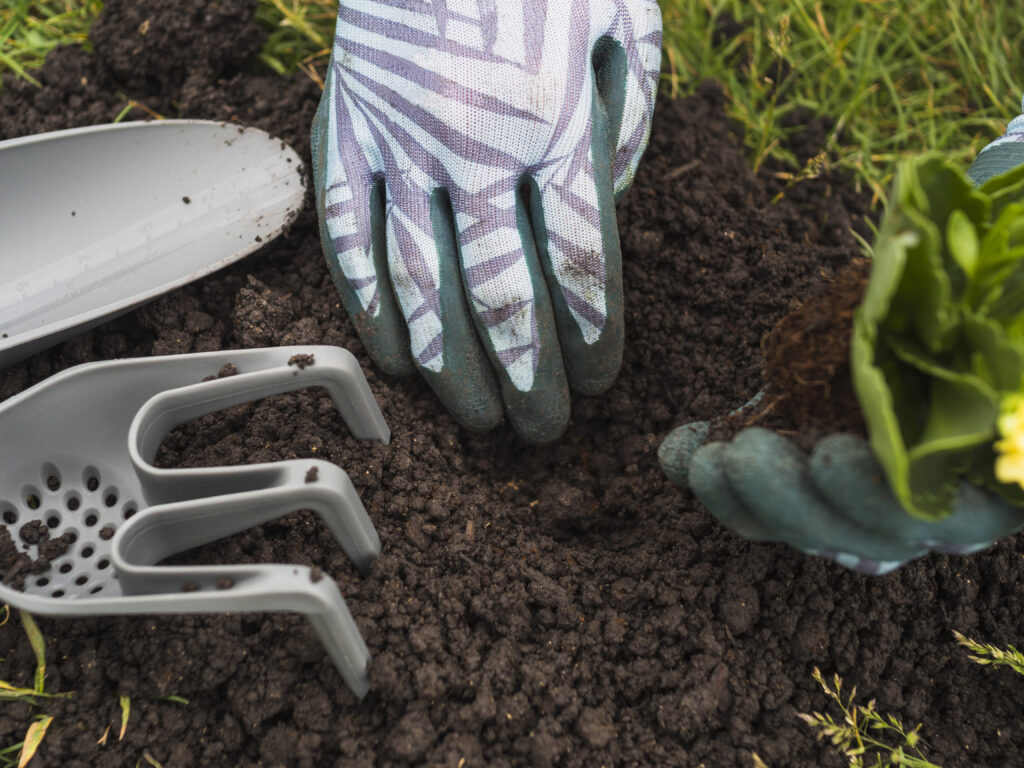
Preparation for Spring (Pruning and Getting Ready)
The importance of caring for your trees during the spring cannot be overstated because it sets the stage for your tree’s growth for the entire year. With warmer temperatures, trees begin to come out of dormancy, and it is a perfect time to evaluate your trees to determine their overall condition.
When starting to prune your trees, begin by removing any dead, diseased, or damaged branches. Removing diseased or damaged branches will prevent the spread of disease and allow your tree to focus its energy on producing new growth. Pruning also allows for better air circulation and sunlight penetration, which are both important for maintaining the health of your tree’s foliage. If you have flowering trees, prune them immediately after they finish blooming so you do not accidentally cut off the next year’s buds.
Encouraging healthy growth is essential during the spring season. Consider fertilizing your trees with a slow-release, balanced fertilizer that provides a steady stream of nutrients over time. Mulching around the trunk of your tree will help retain moisture and prevent weeds from growing near the base.
Summer (Monitoring and Watering)
As summer arrives, it is critical to properly monitor and water your trees, as hot summer months place significant stress on them. The key to keeping trees healthy during extreme heat is regular watering. A deep watering method is recommended over shallow, frequent watering, as it is more effective. Water your trees once per week to a depth of approximately 12 inches to encourage the development of a strong root system capable of withstanding drought conditions. For best results, water in the early morning or late evening to minimize evaporation.
It is also imperative to inspect your trees for signs of pests and diseases during the summer. Common issues include aphids, caterpillars, and various fungal infections. Regular inspections allow you to address problems early and take corrective action if necessary. If you are unsure about the best treatment for a pest or disease issue, consult a certified arborist to determine the most effective solution.
Fall (Cleaning Up Leaves and Preparing for Winter)
Although fall is visually appealing, the volume of falling leaves creates additional maintenance requirements. Fall is also an excellent time to prepare your trees for the upcoming winter months.
Leaf cleanup should be performed regularly by raking fallen leaves from around your trees. Failure to remove leaves can create a breeding ground for pests and diseases. Fallen leaves can also be repurposed into nutrient-rich mulch or compost, allowing them to benefit your landscape in the future.
Fall is an ideal time to focus on soil care. Aerating the soil around your trees improves soil structure and allows water and nutrients to reach the roots more easily. Adding a layer of mulch around the trunk provides additional protection and helps retain moisture during colder temperatures.
Winter Maintenance and Protection
Jersey City experiences harsh winter conditions, including low temperatures and potential snow and ice. However, there are steps you can take to ensure your trees survive the winter months while continuing to thrive.
Protect young or thinly barked trees by wrapping them with burlap or tree wrap to guard against sunscald and frost cracks. For evergreen trees, implementing a windbreak can help shield them from desiccating winter winds.
Any broken or damaged limbs caused by snow and ice should be removed promptly. When pruning during winter, take care not to remove too much material. Late winter or early spring is the ideal time to prune, when the tree is still dormant, and the risk of severe frost damage is reduced.
Continuing to water your trees during winter is equally important, as trees can become dehydrated during extended dry periods without snow cover. Focus on hydrating the soil around the roots rather than watering the trunk directly.
Conclusion
Ongoing tree care throughout the year is essential to maintaining the beauty and vitality of your landscape. By following these seasonal guidelines, Jersey City residents can promote tree resilience, enhance visual appeal, and increase the ecological value of their property. If you need assistance with tree services or management, contact Jersey City Tree Services for expert guidance tailored to your unique arboreal environment.
LATEST POSTS