
Menu
Storm Damage Restoration Tips for Jersey City Homes
Storm Damage Restoration Jersey City
The location of Jersey City in a coastal region along the Hudson River places it at high risk for extreme weather events that result in major loss of property value. Storm damage restoration requires prompt action, an accurate evaluation of the damage, and a professional who is knowledgeable and skilled in restoring homes quickly and safely. Jersey City residents have many different types of severe weather events, including nor’easters and summer storms that require full-scale restoration strategies, which allow homeowners to recover their homes from short-term hazard damage as well as their home value from damage sustained over time in neighborhoods such as Hamilton Park and Newport.
Immediate Safety Assessment After Storm Damage
Identify Potential Property Hazards
The initial phase of the storm damage restoration process is to evaluate the property for immediate safety hazards. The objective is to identify potential hazards such as downed electrical wires, damaged structures, unstable trees or branches, etc. Neighborhoods such as the Hudson River Waterfront Walkway and densely populated areas such as Paulus Hook require extra caution due to close proximity to utility lines and adjacent structures.
Evaluate Utility Systems
Prior to commencing any type of restoration work on the property, it is important to verify that all utility systems are functioning properly and safely. Storm damage can compromise electrical, gas, and water systems in ways that may not be apparent at first glance. Residents in Jersey City should have their utilities inspected by a qualified professional before reoccupying damaged structures or commencing extensive restoration projects.
Emergency Stabilization of Damaged Structures
Some types of storm damage require emergency stabilization to prevent further deterioration. Examples include installing structural supports, repairing roofs and windows, etc. Prompt action in the first 24–48 hours following the storm often prevents what could become an expensive restoration project from a small amount of damage.
Storm Damage Restoration Related to Trees
Assessing Fallen Trees for Removal
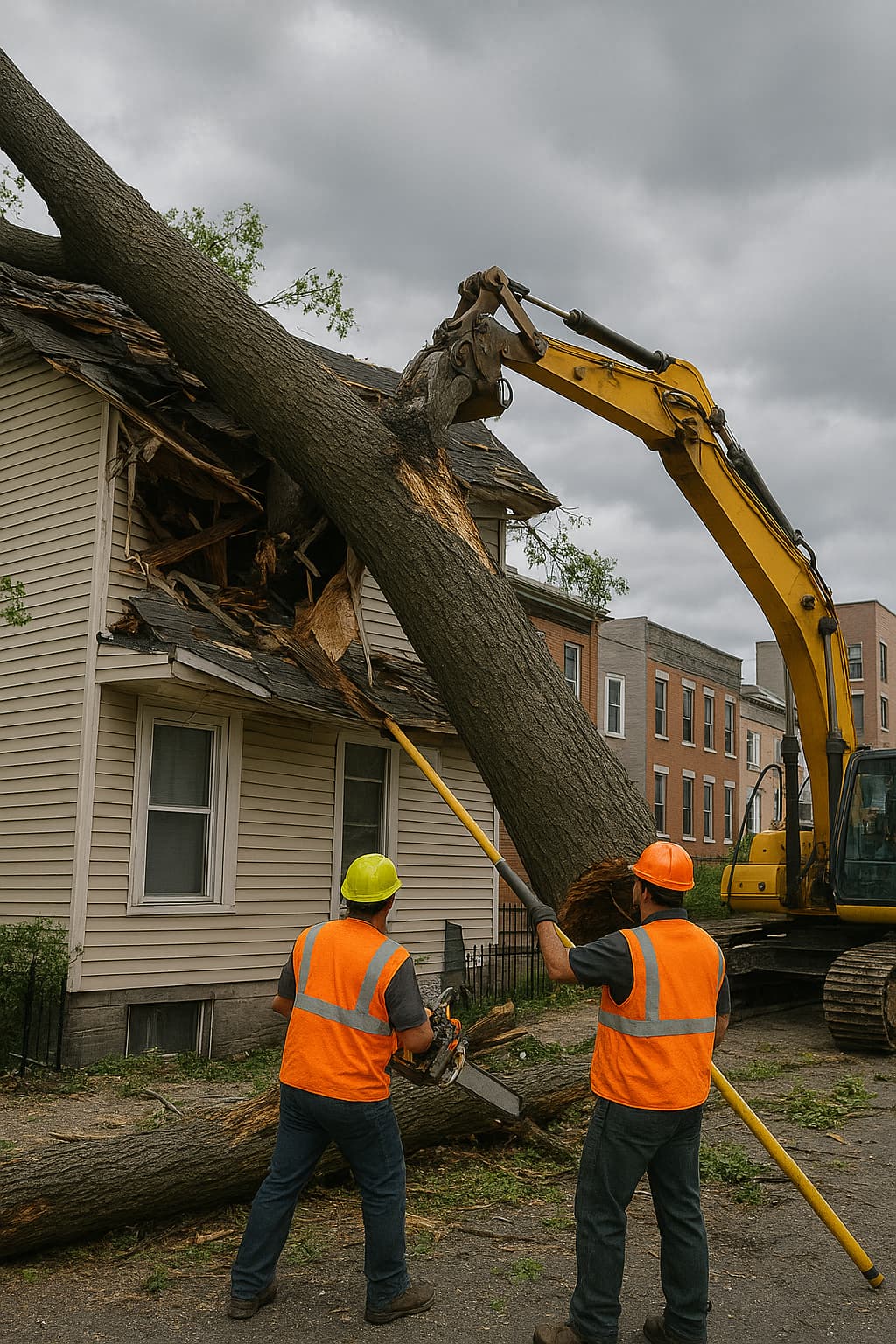
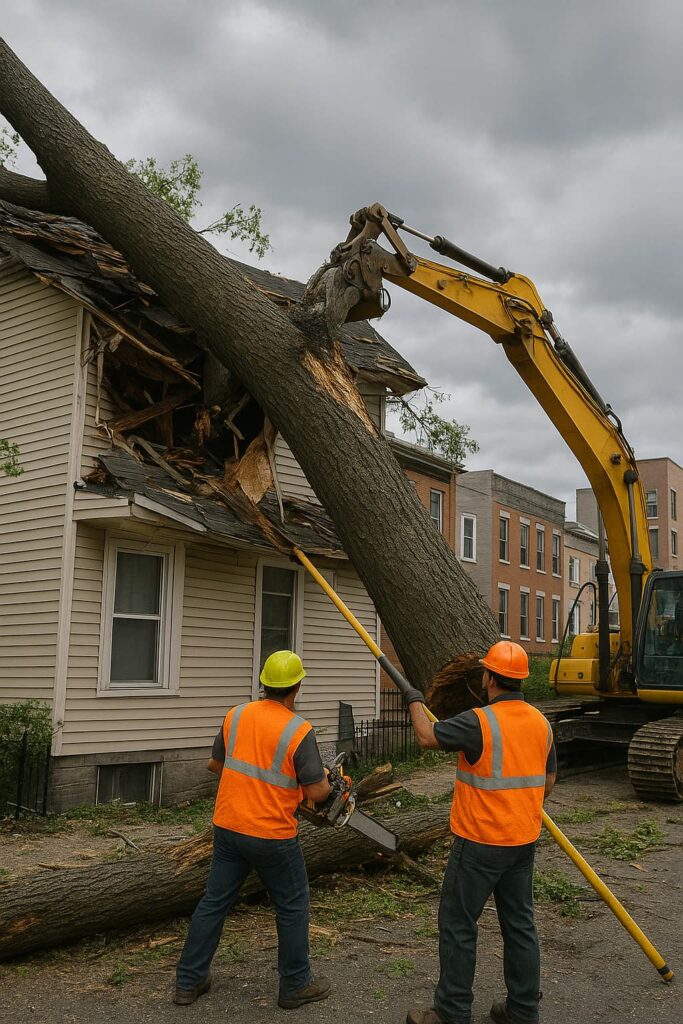
Damaged trees are perhaps the most frequent type of storm damage found in tree-filled neighborhoods of Jersey City. An assessment will determine if the damaged portion of the tree can be removed and repaired or if the entire tree needs to be removed. If a tree has fallen onto a structure, then a professional must assess the situation to minimize further damage to the structure.
Removal of Hanging Branches
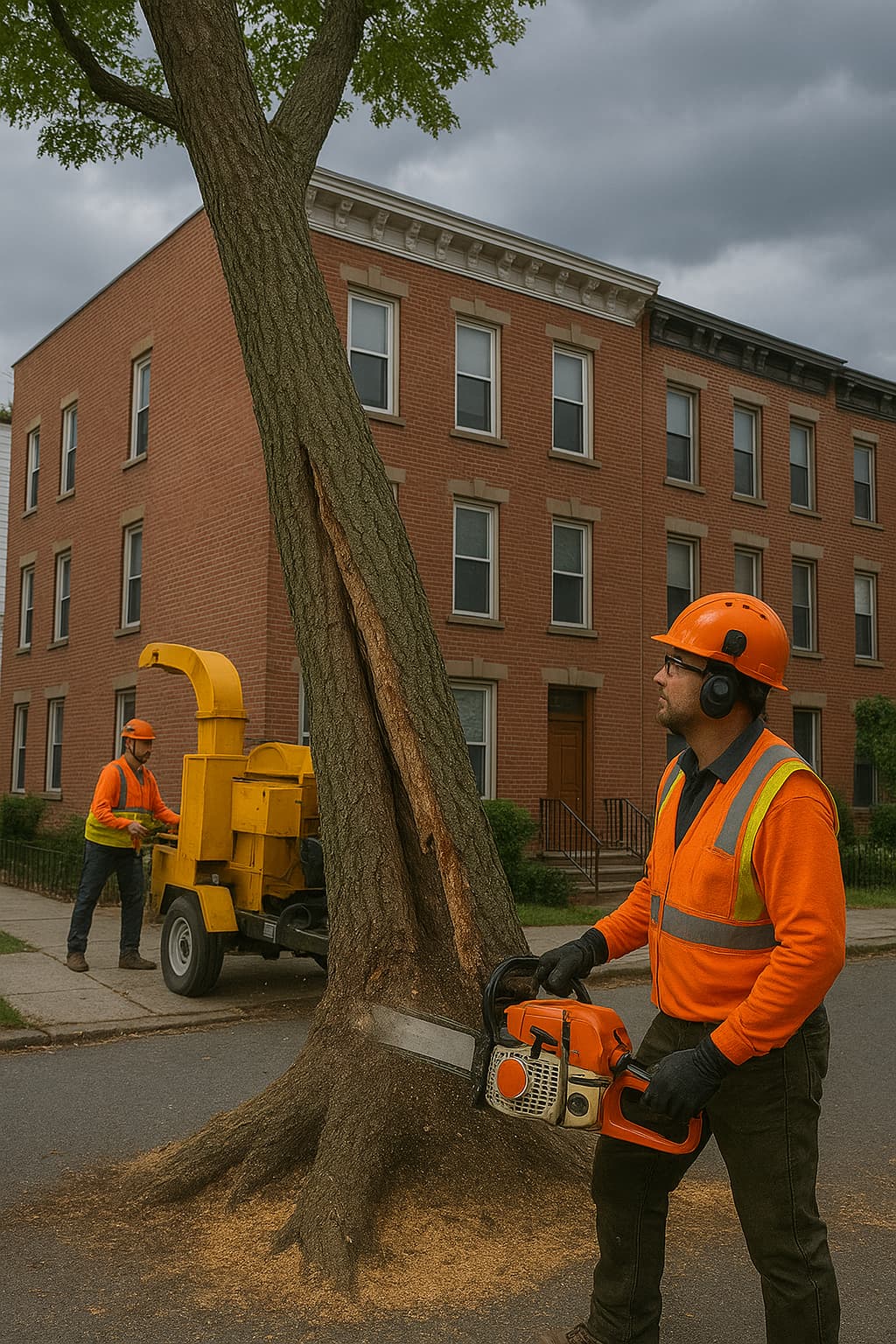
Storm-damaged branches that hang over structures, sidewalks, or utility lines present an ongoing hazard until they are removed. In addition, this creates hazardous conditions in densely populated urban areas of Jersey City, where a branch falling can impact multiple properties or public areas located near the Grove Street PATH Station and Exchange Place.
Damage to Root Systems
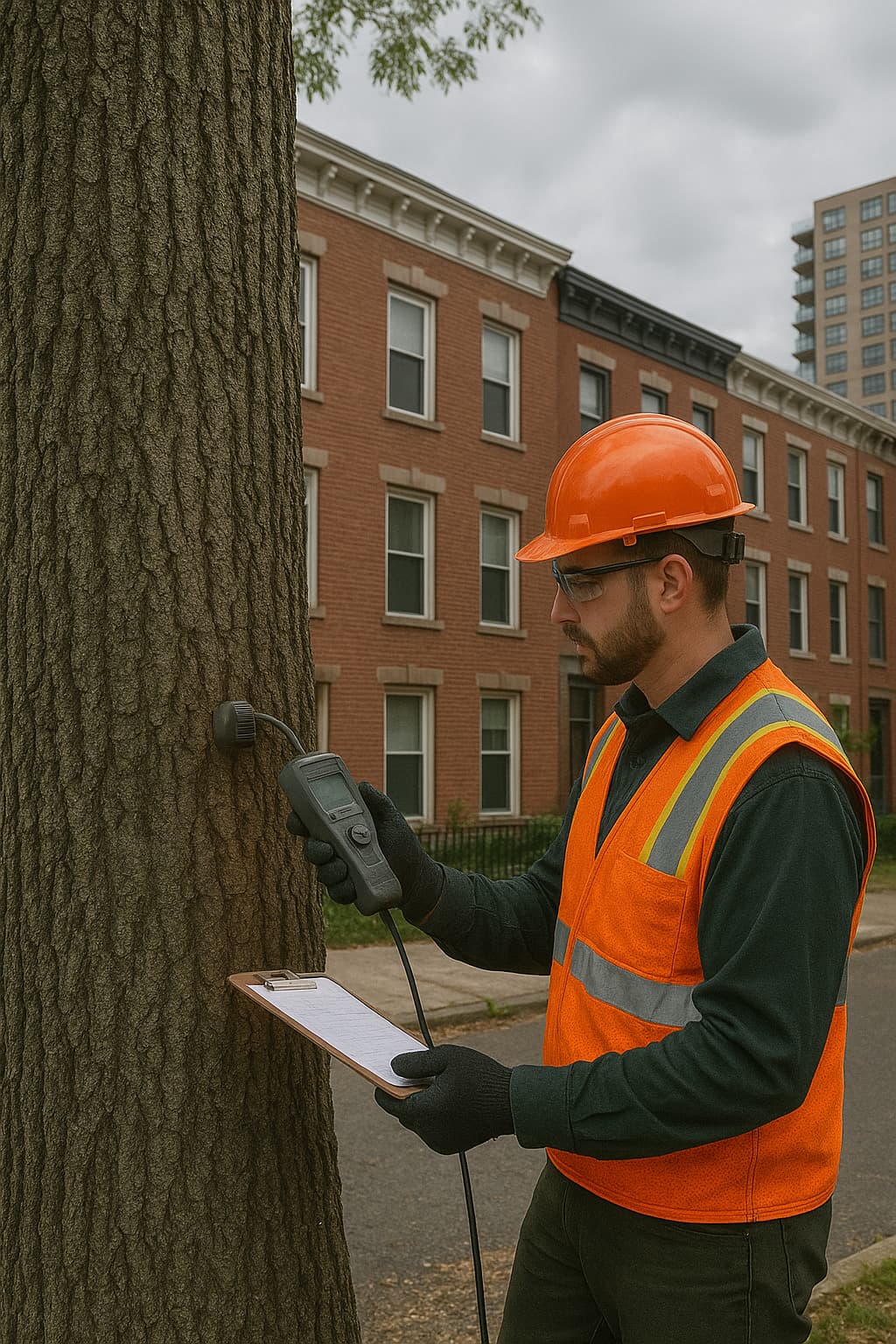
A severe storm can damage a tree’s root system through soil saturation, erosion, or ground movement. A professional assessment will determine which trees are structurally sound and which pose an ongoing risk that requires removal as part of a comprehensive storm damage restoration effort.
Prioritizing Structural Restoration Work
Repairs to Roofs and the Building Envelope
Storm damage restoration will usually begin with restoring the building envelope to prevent water intrusion and further damage. It is recommended to prioritize repairs to the roof, replace broken windows, repair damaged siding, etc., so that interior spaces are protected from continued weather exposure common in Jersey City’s coastal climate.
Addressing Foundation and Drainage Problems
A severe storm can create foundation issues through soil erosion, water infiltration, or ground movement. Restoring proper drainage will help prevent future water damage and ensure the structural integrity of homes throughout Jersey City’s varying soil conditions, ranging from waterfront areas to inland neighborhoods.
Sequencing Interior Restoration Work
Interior storm damage restoration should follow a specific sequencing to prevent mold growth and ensure thorough drying. This process includes water extraction, dehumidifying, cleaning, and rebuilding in carefully planned phases that consider the effects of Jersey City’s humid climate.
Documentation and Insurance Requirements for Storm Damage Restoration
Documenting All Types of Storm Damage
Successful storm damage restoration begins with documenting all aspects of damage to use for insurance purposes. This includes photographs, written descriptions, and professional assessments to serve as the basis for insurance claims that will adequately cover restoration costs.
Preparing Professional Assessment Reports
Certified contractors and arborists provide detailed professional assessment reports to support insurance claims while also assuring that the restoration work is completed according to industry standards and applicable local building codes.
Managing the Timeline and Communications Process
Insurance companies generally expect timely notice and regular updates during the restoration process. Homeowners in Jersey City should document all restoration activities, costs, and communications to facilitate efficient and successful claim resolution.
Coordinating Multiple Trades and Professionals for Restoration Work
Project Management of Multi-Trade Restoration Projects
Comprehensive storm damage restoration typically requires the coordination of multiple professional trades and services, including tree removal, roofing, electrical, plumbing, and general contracting. Coordinated multi-trade service delivery assures that restoration work progresses efficiently, maintains quality, and meets local building codes.
Emergency vs. Scheduled Restoration Services
Some restoration work requires immediate emergency response, while other projects can be scheduled and executed to optimize the desired outcome. Jersey City Tree Services offers both emergency tree removal services and planned restoration services that can be integrated into overall property recovery efforts.
Ensuring Quality Standards Through Restoration Work
Verification of Restoration Work
Professional storm damage restoration includes implementing verification measures toensuree that restoration work meets established safety standards and local building codes. These verification measures protect homeowners from potential future problems and confirm that restoration work provides lasting value.
Strategies for Landscape and Tree Restoration
Preserving Storm-Damaged Trees
Many storm-damaged trees can be preserved through restoration techniques such as corrective pruning, cabling, and targeted treatments. Early intervention to restore storm-damaged trees often preserves valuable property enhancements that contribute to property value and the health of Jersey City’s urban forest.
Planning for Replacing Storm-Damaged Trees
If a storm-damaged tree requires removal, planning for replacement should take into consideration factors such as mature tree size, environmental conditions, and property-enhancing objectives. Modern tree varieties offer improved storm resistance suited for Jersey City’s challenging urban environment.
Improving Soil Conditions and Drainage
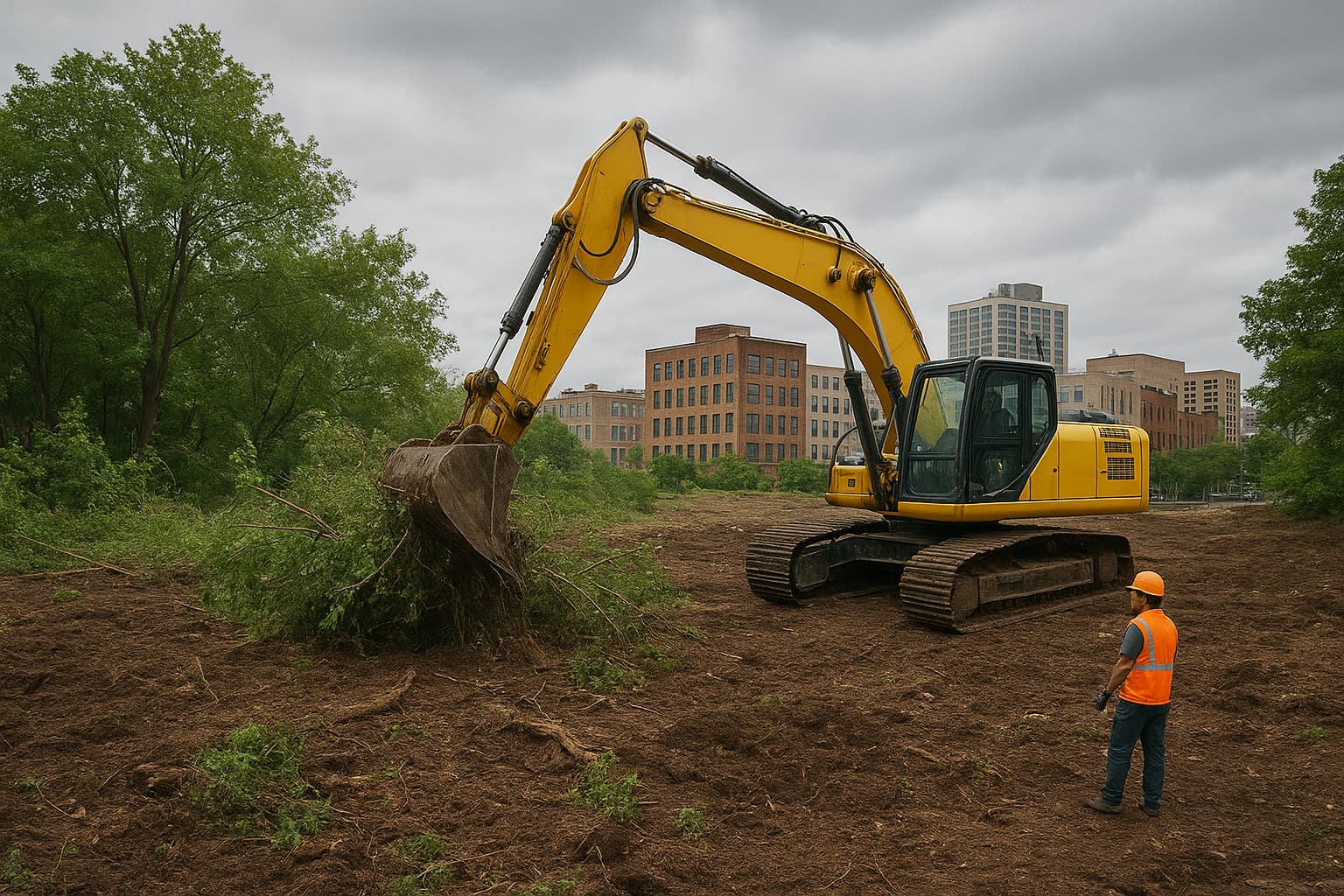
Storm damage restoration creates opportunities to improve soil conditions and drainage that may have caused tree instability or property damage. These improvements enhance long-term property resiliency while facilitating the recovery of healthy landscapes.
Developing Preventative Measures for Future Storms
Hardening Properties Against Future Storms
In conjunction with restoration efforts, storm damage restoration should include improving elements that will reduce the vulnerability of a property to future storms. Some examples of property hardening strategies include upgrading roofing materials, improving drainage systems, and developing strategic tree management plans that reduce wind resistance while maintaining aesthetic qualities.
Developing Emergency Preparedness Plans
Restoration projects are an ideal time to develop emergency preparedness plans, including backup power systems, emergency supply storage, and communication systems designed to expedite recovery from future storm events.
Developing Maintenance Programs for Property Care
Regular maintenance can prevent much of the damage associated with storms through proactive tree care, building maintenance, and drainage system maintenance. Jersey City Tree Services will assist homeowners in developing maintenance programs that decrease storm damage vulnerability while protecting property value.
Understanding Local Regulations Regarding Storm Damage Restoration
Obtaining Permits and Completing Inspections
Storm damage restoration typically requires obtaining permits and completing inspections to ensure that restoration work meets local building codes and safety standards. Understanding Jersey City’s specific regulations and requirements will minimize delays and ensure that restoration work contributes to the long-term property value.
Considering Historic District Designation
Some Jersey City neighborhoods are designated as historic districts, which may affect the approach and materials used for restoration. Experienced professionals will guide homeowners through the restoration process while adhering to preservation requirements to address the storm damage.
Compliance With Environmental Protection
Restoration work in proximity to waterways or in environmentally sensitive areas may require special considerations to protect Jersey City’s natural resources. Qualified professionals are aware of the regulations and will ensure compliance throughout restoration projects.
Enhancing Long-Term Recovery and Property Value
Creating Enhanced Properties Through Restoration
Storm damage restoration provides opportunities to enhance properties above their original state through modern materials, improved systems, and enhanced landscaping. Jersey City Tree Services will coordinate tree care and landscape restoration with overall property enhancement objectives to create more resilient properties that can withstand future storms.
Professional storm damage restoration requires specialized knowledge, equipment, and a well-coordinated plan to produce lasting results. Homeowners in Jersey City benefit from professional services that address immediate safety concerns while creating properties that are more resilient to future storms. Regardless of the type of damage sustained (tree damage, structural damage, or full property restoration), professional services ensure safe, efficient, and effective recovery and protection of property value in Jersey City’s diverse neighborhoods.
LATEST POSTS